 Reviews



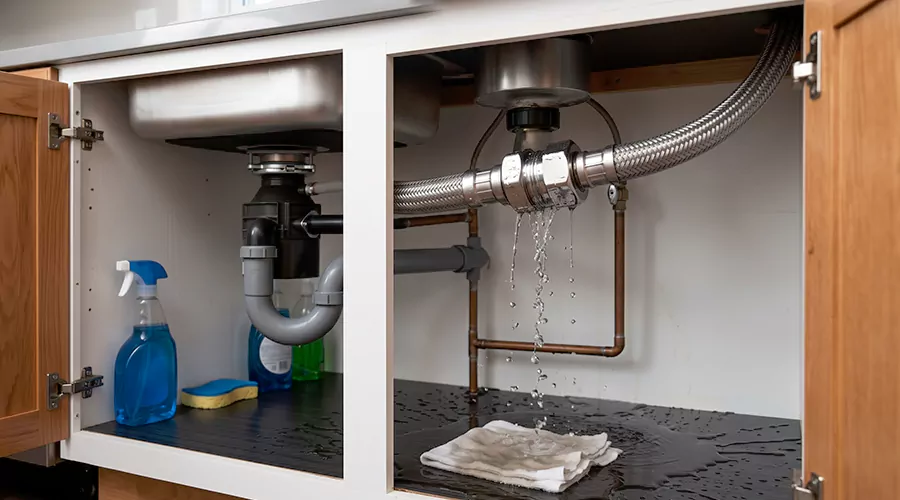
A pipe bursts when internal pressure or physical damage exceeds the strength of the pipe or one of its connections. Freezing is a common cause of residential burst pipes, but corrosion and excessive water pressure can also contribute. Physical damage or poor installation may create additional weak points. Pipe repair can address damaged sections, leaking connections, and other plumbing problems before they lead to more extensive water damage.
Professional burst pipe repair costs approximately $500 on average in the United States in 2026. Typical repair projects range from $200 to $3,000, with difficult repairs potentially costing more.
Understanding the cause matters because replacing the broken section alone may not prevent another failure if the underlying condition remains.
What Are the Most Common Causes of Burst Pipes?
Burst pipes can develop under several different conditions. Some failures result from pressure building inside the plumbing system. Others occur because the pipe material or its connections have weakened.
Common causes include:
- Freezing temperatures: Ice forms inside a pipe and can create dangerous pressure in trapped water.
- Corrosion: Metal pipes gradually deteriorate and develop weak sections.
- Excessive water pressure: Sustained pressure places additional stress on plumbing components.
- Water hammer: Sudden pressure changes can stress vulnerable joints.
- Physical damage: Construction work or accidental impact damages piping.
- Poor installation: Incorrectly assembled connections may fail under normal use.
- Ground movement: Shifting soil can damage underground piping.
- Tree roots: Roots may damage certain underground pipes or worsen existing defects.
These causes affect pipes differently.
For example, corrosion typically develops over time, while accidental drilling can cause an immediate failure.
How Does Freezing Cause a Pipe to Burst?
Freezing can cause a water pipe to burst when ice forms an obstruction and additional freezing increases pressure in the liquid water trapped beyond it.
The rupture often occurs away from the frozen section.
Research published by the University of Illinois explains that the main cause is pressure building in trapped water rather than ice simply pushing outward against the pipe wall.
The process generally develops in stages:
- The temperature around a vulnerable pipe falls.
- Water begins freezing inside the pipe.
- Ice eventually forms a complete blockage.
- Additional freezing increases pressure in trapped liquid water.
- The pipe fails when the pressure exceeds its strength.
A frozen pipe does not always burst.
The risk depends on the pipe's exposure and whether trapped water can relieve pressure.
Can Corrosion Cause a Burst Pipe?
Corrosion gradually weakens certain metal plumbing materials. The deterioration may develop inside a pipe long before visible damage appears.
As the pipe wall becomes thinner, it may become less capable of withstanding normal operating pressure.
Corrosion can also affect threaded connections.
Possible warning signs include:
- Rust developing around exposed piping.
- Repeated pinhole leaks.
- Corrosion near threaded joints.
- Discolored water associated with deteriorating plumbing.
- Several leaks developing along an older pipe.
Surface rust alone cannot determine the pipe's remaining strength.
However, repeated leaks in the same section can indicate that replacing one small piece may not address the wider problem.
Can High Water Pressure Cause Pipes to Burst?
Excessive water pressure can place additional stress on pipes and fittings. A weak connection may eventually fail when operating pressure exceeds what it can safely withstand.
Pressure-related damage can develop gradually.
It may also become noticeable after a sudden pressure change.
Possible indicators include:
- Repeated leaks around supply connections.
- Frequent fixture-component failures.
- Unusual pipe movement.
- Repeated damage near vulnerable fittings.
These signs do not automatically prove that the water pressure is excessive.
Pressure must be measured before selecting a corrective action.
A damaged pipe and an abnormal pressure condition may need to be addressed separately.
Can Water Hammer Contribute to Pipe Failure?
Water hammer occurs when flowing water suddenly changes speed or direction. A rapidly closing valve can create a pressure wave inside the plumbing.
The resulting movement may produce a knocking or banging sound.
Repeated pressure shocks can place stress on vulnerable connections.
However, occasional pipe noise does not prove that a pipe is about to burst.
The underlying plumbing arrangement must be evaluated before assuming that water hammer is responsible.
What Are the Signs of a Pipe at Risk of Bursting?
A pipe can fail unexpectedly, but certain conditions indicate that the plumbing deserves closer attention.
Watch for these warning signs:
- Repeated leaks develop along the same pipe.
- Corrosion becomes visible around several connections.
- Water pressure changes unexpectedly.
- Loud pipe movement occurs during normal fixture use.
- Exposed pipes remain unprotected during freezing weather.
- A faucet slows dramatically during a cold spell.
- A pipe develops visible distortion.
- Moisture appears behind a wall.
- Underground plumbing repeatedly develops problems.
- A previous repair fails shortly after installation.
A frozen pipe may rupture before any water becomes visible.
The damage can remain hidden until the ice melts and normal water flow returns.
What Types of Pipe Damage Can Cause Bursting?
The failure mechanism differs according to where the pipe is installed.
The following table compares several common conditions.
| Cause | How Damage Develops | Commonly Affected Area |
|---|---|---|
| Freezing | Ice blockage creates pressure | Exposed supply piping |
| Corrosion | Pipe wall gradually weakens | Older metal plumbing |
| Excessive pressure | Components experience sustained stress | Pressurized supply system |
| Physical impact | Pipe is punctured or cracked | Walls and exposed piping |
| Installation defect | Joint cannot withstand normal operation | Pipe connections |
| Ground movement | External forces damage piping | Underground water lines |
Identifying the cause helps determine whether only the damaged section needs replacement or additional plumbing changes are necessary.
How Can You Check for Hidden Pipe Damage?
A basic visual inspection can identify accessible damage, but it cannot confirm the condition of every concealed pipe.
Check exposed plumbing for moisture and visible deterioration.
For suspected pressurized water leaks, a water-meter test can provide additional information.
- Turn off all household fixtures.
- Confirm that appliances are not using water.
- Record the meter reading.
- Avoid using water during the test.
- Check the meter again after approximately two hours.
A changed reading may indicate unexplained water consumption.
This test does not locate the exact leak or identify a damaged drainage pipe.
How Much Does Burst Pipe Repair Cost?
The cost depends on the pipe's material and location.
An accessible pipe in an unfinished basement may involve less work than one hidden beneath finished flooring.
| Repair Situation | 2026 U.S. Cost |
|---|---|
| Typical burst pipe repair | 200–3,000 |
| Average burst pipe repair | Approximately $500 |
| Repairing one linear foot | 150–250 |
| Emergency service call | 100–300 |
| Difficult repairs with additional damage | Can exceed $5,000 |
These figures reflect Angi's August 2026 national pricing data. Water damage restoration and rebuilding work can increase the total.
When Should You Call a Professional?
Professional investigation is appropriate when pipe failure involves the main supply or concealed plumbing. Recurring damage can also indicate a problem extending beyond one broken section.
Seek assistance when:
- A pipe has burst.
- Multiple connections are deteriorating.
- Excessive pressure is suspected.
- Water hammer repeatedly affects the plumbing.
- Freeze damage may extend through several sections.
- Underground piping is damaged.
- A previous repair has failed.
Identifying the underlying cause helps reduce the likelihood of another failure.
How Can You Prevent Burst Pipes?
Burst-pipe prevention focuses on protecting plumbing from freezing and identifying conditions that weaken the pipe material.
Recommended measures include:
- Insulate vulnerable pipes.
- Maintain heating during freezing weather.
- Disconnect outdoor hoses before winter.
- Address confirmed excessive water pressure.
- Investigate repeated water hammer.
- Replace severely deteriorated piping.
- Protect exposed pipes during construction.
- Learn how to shut off the property's water supply.
Illinois Extension recommends keeping vulnerable plumbing warm and protecting pipes in unheated spaces before severe winter weather.
Conclusion
A burst pipe can result from freezing or deterioration that weakens the plumbing. Excessive pressure and physical damage are additional causes. Understanding the failure mechanism helps determine whether one section needs replacement or a wider plumbing problem requires attention. Inspect vulnerable pipes before winter and address recurring leaks promptly. If a pipe has already burst, shut off the water and arrange an appropriate repair.
Frequently Asked Questions
Can a pipe burst without freezing?
Yes. Corrosion and excessive pressure can contribute to pipe failure even in warm conditions.
Can new plumbing pipes burst?
Yes. Installation defects or accidental physical damage can affect newer plumbing.
Does water hammer cause pipes to burst?
Repeated pressure shocks can stress vulnerable plumbing. However, pipe noise alone cannot establish that bursting will occur.
Can corrosion weaken copper pipes?
Yes. Certain corrosion conditions can damage copper piping and contribute to leaks.
Does pipe insulation completely prevent bursting?
No. Insulation slows heat loss but may not prevent freezing during prolonged exposure without sufficient heat.